
Discover the psychology of clothing and how fashion reflects personality. Learn how outfits influence confidence, perception, and personal identity in everyday life.


Clothing is more than just fabric stitched together—it is a powerful form of self-expression. The way we dress often communicates our personality, mood, values, and lifestyle without us saying a single word. From bold colors to minimalist outfits, every fashion choice reveals something about who we are.
The psychology of clothing explores how fashion influences behavior, perception, and emotional states. Researchers and fashion experts believe that clothing plays a key role in shaping identity and confidence.
In this article, we’ll explore how fashion reflects personality, how clothing affects mindset, and why understanding the psychology of clothing can help you build a stronger personal style.
What Is the Psychology of Clothing?



The psychology of clothing studies how our clothing choices influence how we feel and how others perceive us.
Clothing communicates signals about:
- Personality
- Social status
- Confidence level
- Profession
- Cultural identity
This concept is closely related to a psychological phenomenon called “enclothed cognition.” It explains how the clothes we wear can influence our thinking, behavior, and performance.
Example of Enclothed Cognition
When people wear formal clothing, they often feel more confident and professional. Similarly, wearing comfortable casual clothing can make someone feel relaxed and creative.
In simple terms, what you wear can shape how you think and act.
How Fashion Reflects Personality
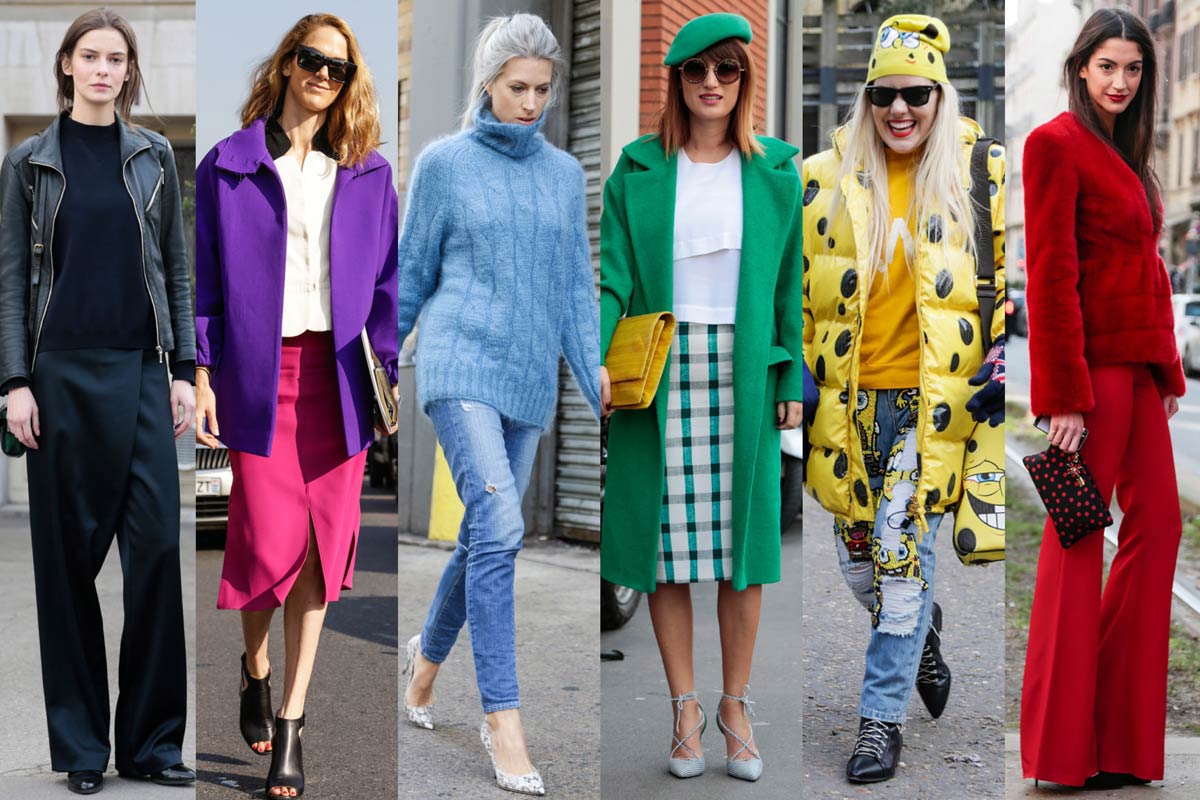


Fashion acts like a visual language that expresses who you are.
1. Bold Personalities Prefer Statement Pieces
People with outgoing personalities often choose vibrant colors, unique designs, and eye-catching accessories.
2. Minimalists Choose Simple Styles
Individuals who value simplicity often wear neutral colors and clean silhouettes.
3. Creative People Experiment with Fashion
Artists and designers often mix patterns, textures, and unconventional combinations.
4. Classic Personalities Prefer Timeless Fashion
Some individuals gravitate toward structured, elegant clothing that never goes out of style.
Your wardrobe often mirrors your mindset and lifestyle choices.
How Clothing Influences Confidence


The relationship between clothing and confidence is powerful.
1. Well-Fitted Clothing Boosts Self-Esteem
When clothes fit properly, people tend to feel more comfortable and confident.
2. Style Reflects Identity
Wearing clothing that matches your personality strengthens self-expression.
3. Positive Perception from Others
When people feel confident in their outfit, their body language improves, making them appear more attractive and confident to others.
Confidence is often the invisible accessory that makes any outfit stand out.
Fashion as a Form of Non-Verbal Communication


Clothing acts as a silent form of communication.
Before someone even speaks, their clothing may signal:
- Professionalism
- Creativity
- Authority
- Confidence
- Individuality
For example:
Business Attire
Often communicates professionalism and discipline.
Casual Fashion
Represents comfort and approachability.
Luxury Fashion
Often signals status and success.
Fashion allows individuals to control the first impression they make.
Building a Personal Style That Reflects Your Personality


Developing a personal style requires awareness of both personality and lifestyle.
1. Identify Your Style Preferences
Look at outfits you feel most confident wearing.
2. Choose Colors That Match Your Personality
Bold personalities may enjoy bright colors, while calm personalities prefer neutrals.
3. Focus on Fit and Comfort
Comfortable clothing helps you feel natural and confident.
4. Invest in Wardrobe Essentials
Quality basics create a foundation for personal style.
5. Avoid Blindly Following Trends
Instead, choose trends that align with your identity.
Personal style should feel authentic rather than forced.
Frequently Asked Questions (FAQ)
Q1: What is the psychology of clothing?
The psychology of clothing studies how clothing influences emotions, behavior, and how others perceive us.
Q2: Can clothing really reflect personality?
Yes. Clothing choices often reveal preferences, lifestyle, and personality traits.
Q3: Why do people feel more confident in certain outfits?
Certain clothing can improve comfort, posture, and self-perception, which boosts confidence.
Q4: What is enclothed cognition?
It is a psychological concept explaining how the clothes we wear influence our mental processes and behavior.
Q5: How can I use fashion to express my personality?
Choose clothing that reflects your values, comfort level, and aesthetic preferences rather than blindly following trends.
Conclusion
The psychology of clothing shows that fashion is more than appearance—it’s a powerful form of self-expression. The way we dress influences how we feel, how we behave, and how others perceive us.
By understanding how fashion reflects personality, you can build a wardrobe that aligns with your identity, boosts confidence, and communicates your individuality to the world.
Ultimately, clothing becomes most powerful when it authentically represents who you are.